
SMD LED Polarity: A Guide for 0402, 0603, & 0805 LEDs
This guide explains how to determine SMD LED polarity. Knowing the polarity (positive/anode and negative/cathode) of a surface-mount device (SMD) is crucial for any electronics project. Unlike larger through-hole LEDs, SMDs use small, subtle markings. This guide will show you how to read them.
Why SMD LED Polarity is Important
First, it is important to understand that an LED is a diode, which means it only allows current to flow in one direction. If you wire an SMD LED backward, it will not light up. In some cases, you could even damage the component. Therefore, correctly identifying the **SMD LED polarity** before soldering is an essential step that saves time and protects your parts.
How to Identify SMD LED Polarity
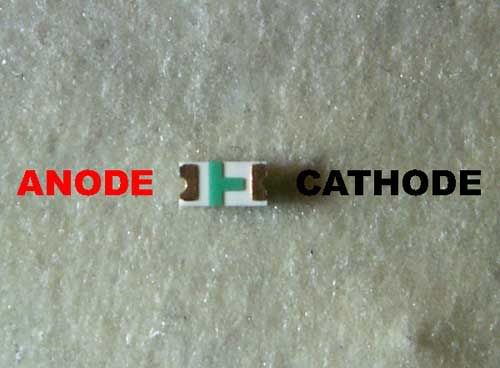
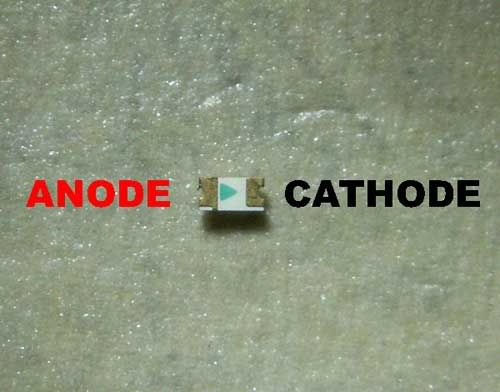
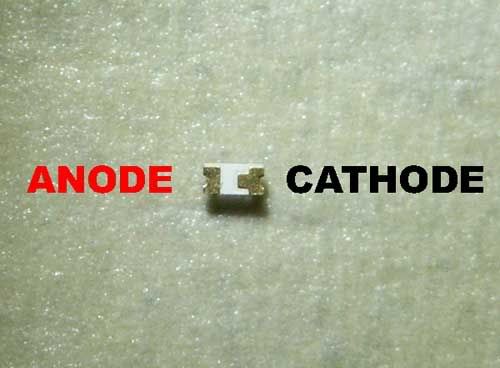
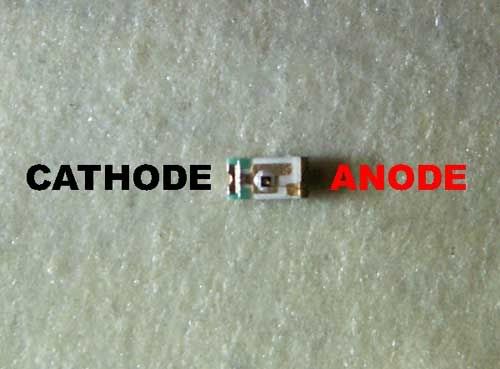
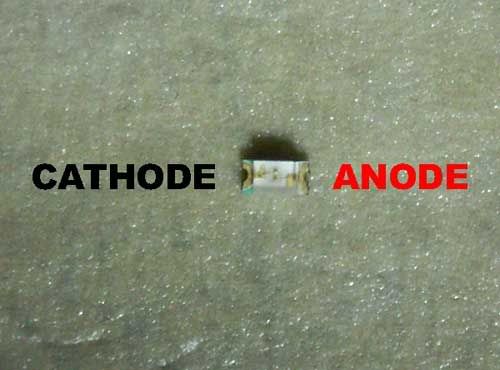
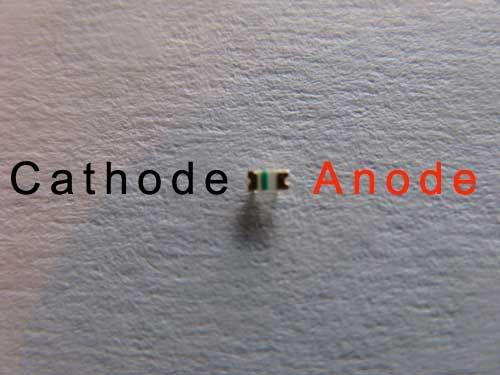
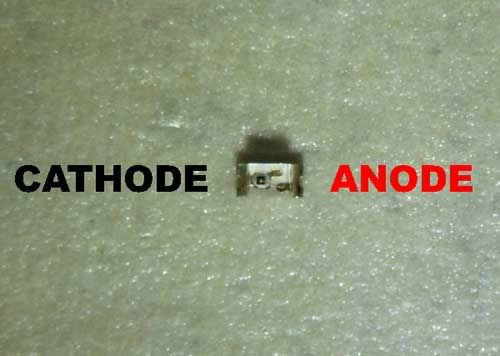
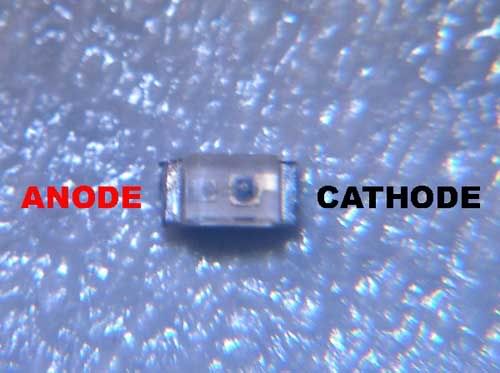
Most manufacturers use visual markings on the LED casing or pads to indicate polarity. The images below show several common examples for sizes like 0402, 0603, 0805, and 1206. Most often, if you can not see any of the other markings, a small notch, dot, or symbol will indicate the **negative (cathode)** side of the LED. This same marking convention often applies to the circuit board where the LED will be soldered.
Example Markings for SMD LED Polarity
Below are various examples of markings. Look for symbols like triangles, lines, dots, or notches. In almost every case, the symbol points towards the negative (cathode) side.
Conclusion
In conclusion, correctly identifying **SMD LED polarity** is simple once you know what to look for. By carefully examining your SMD components for common markings like dots, lines, triangles, or notches, you can confidently determine the positive and negative sides. As a result, this will ensure your electronics projects light up correctly every time.